Q & A with Rob Murphy and William Glaister
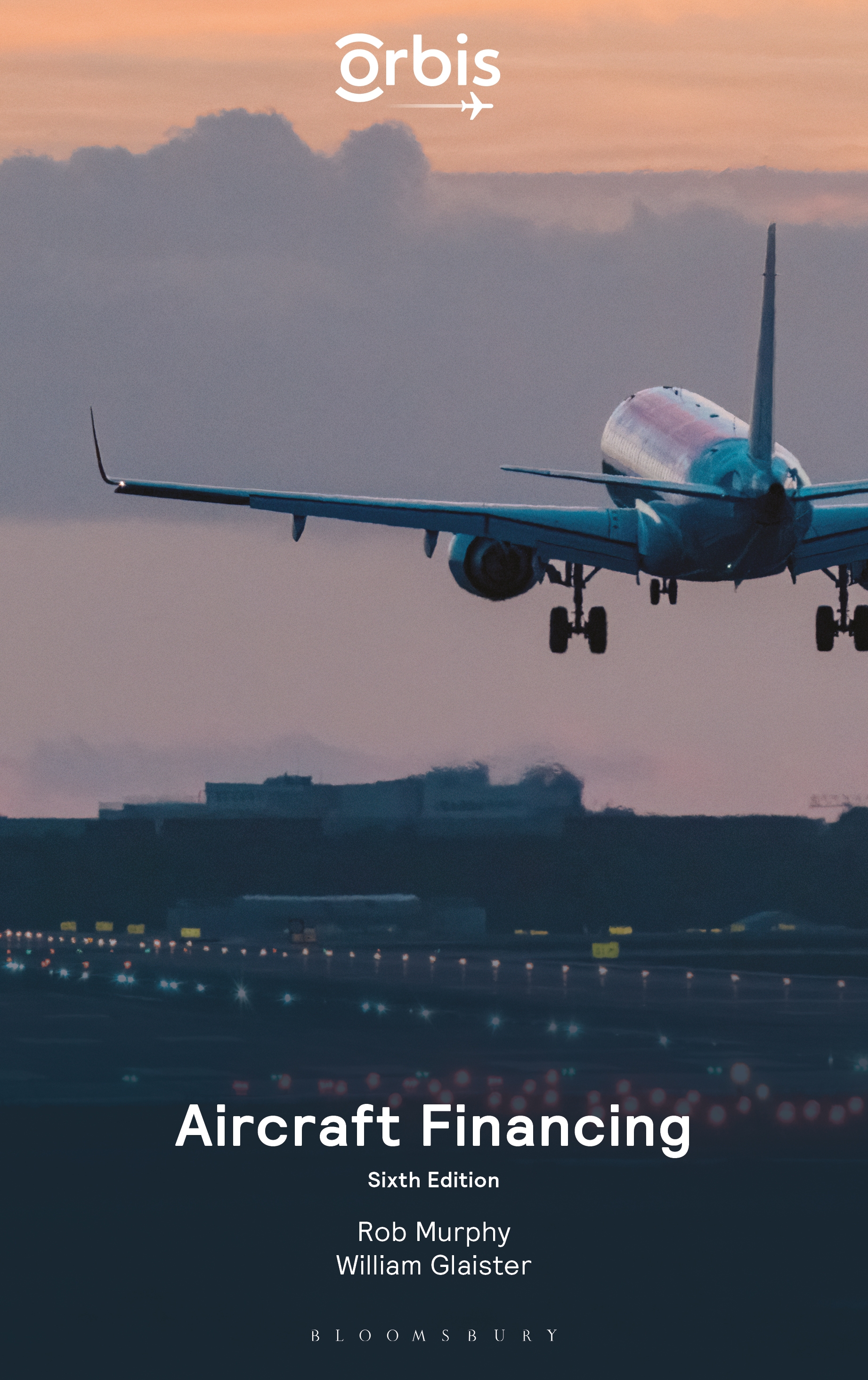
Rob Murphy and William Glaister are the general editors of the 6th Edition of Aircraft Financing.
This will be included in our Banking and Finance Law online service.
What has been the biggest change to this area since the last edition published in 2022?
Aviation finance is constantly evolving. Since the last edition was published, we have seen a tremendous rebound in passenger traffic and demand for aircraft. At the same time, issues with new engine technology and supply chains have caused complications for OEMs and operators whilst bolstering demand for aircraft from lessors. We have also seen the growth of funding from private credit and insurance companies, partially displacing bank lending but also just increasing the gross funding available as demands for both new and used equipment and related financings have increased. Finally, the Russian invasion of Ukraine resulted in much renewed focus on the importance of aviation insurance policies as well as the effect of sanctions on the aviation market.
What’s new for the 6th edition?
We decided to make some substantial changes to the format of the book by removing the regional sections. Aviation finance is a very global market and whilst there are some regional differences we thought it better to make space for new or expanded sections on:
- Credit rating agencies, whose significance in terms of rating secured and unsecured paper in the sector has grown as participants seek access to capital markets and private credit funds
- Sanctions, whose significant impact vis a vis Russia resulted in many claims over the past few years
- Portfolio trading, as sales of aircraft on lease between financial investors and operating lessors is a significant part of aircraft trading
- Credit supported financing, whilst ECA financing has been around for some time, the growth of non-payment insurance policies issued by private insurance firms has grown significantly
- Key engine related elements: engines have always been a critical element of the value chain for aircraft but teething issues with introduction of the new technology engines have resulted in more engine leasing and much greater focus on engine OEM support products which this chapter explores
Most of the remaining chapters have been significantly rewritten to reflect the themes described above as they impact on most areas of the business. For example, the chapter on insurance considerations reflects the ongoing industry claims against insurers over seized Russian aircraft, and the chapter on capital markets reflects the significant growth of the use of aircraft CLO’s by private credit sponsors.
We would also draw readers’ attention to the new authorship of the Introduction and Aircraft Financing Markets overview sections. We are delighted Robert Martin, who recently stepped down from a longstanding CEO role at BOC Aviation, has penned a revised Introduction and his experience and insights are well worth reading. Laurent Delvart has taken over the Overview section from his recently retired colleague Jose Abramovichi and demonstrates his tremendous knowledge of the financing industry.
We are immensely grateful to all of the contributors who helped with the writing of this new edition. In doing so they support the ability to donate all royalties from the book to the Orbis Eye Charity, which is supported by many institutions across the aviation financing sector.
Are there any trends in the area which you have noticed recently that readers will want to be aware of?
The bounce back in demand for air travel after Covid demonstrated that the aviation industry is a vital artery for both economic growth and the human desire for travel. The challenges of meeting the growth in demand places enormous pressure on OEMs and supply chains and the consequences of that will remain with us for a long time. The drive for more fuel-efficient engines will be unabated, but we are witnessing the issues of trying to push the technological envelope. The need for alternative sources of funding to meet demand for aircraft is likewise another trend that creates challenges but also results in financial innovation.
Geo-political challenges will mean that sanctions, as well as the impact of tariffs and supply chain disruptions caused by geo-politics, are factors which are going to continue to have a significant continuing influence on the industry. They will also result in challenges to the Boeing/Airbus duopoly, in particular as COMAC of China increases commercial passenger aircraft production. The impacts of the current war in the Gulf are also starting to be felt and only time will tell if the longer-term consequences will be negative (with higher fuel prices and restricted fuel supplies) or positive, with the opening up of the substantial Iranian market.
Lastly, the impact of AI on the industry is a trend that will unfold over the new few years. Chapter 7 by Randy Nightingale examines one aspect of the impact of AI. There will be others. Even a ‘HALO’ industry like aviation is not immune from AI’s significant impacts.
What’s the most challenging aspect about working in aircraft financing?
It’s a tremendously complicated, intensive and challenging industry. Its demand for funding is insatiable. Its susceptibility to external shocks, whether they be geo-political or disease, has been well demonstrated over the past few years. At the same time, the quality of people involved in the industry is incredible and they have demonstrated an ability to surmount all the challenges thrown at them. This is part of an industry born out of overcoming challenges. On October 9, 1903 an op-ed piece in the New York Times predicted that ‘man won’t fly for a million years’ after William Langley failed in an attempt to get airborne on the Potomac River. The Wright Brothers successfully flew a plane two months later. The aviation industry will keep innovating and the aviation financing market will keep up with it.