Q & A with Rebecca Rees and Amardeep Gill
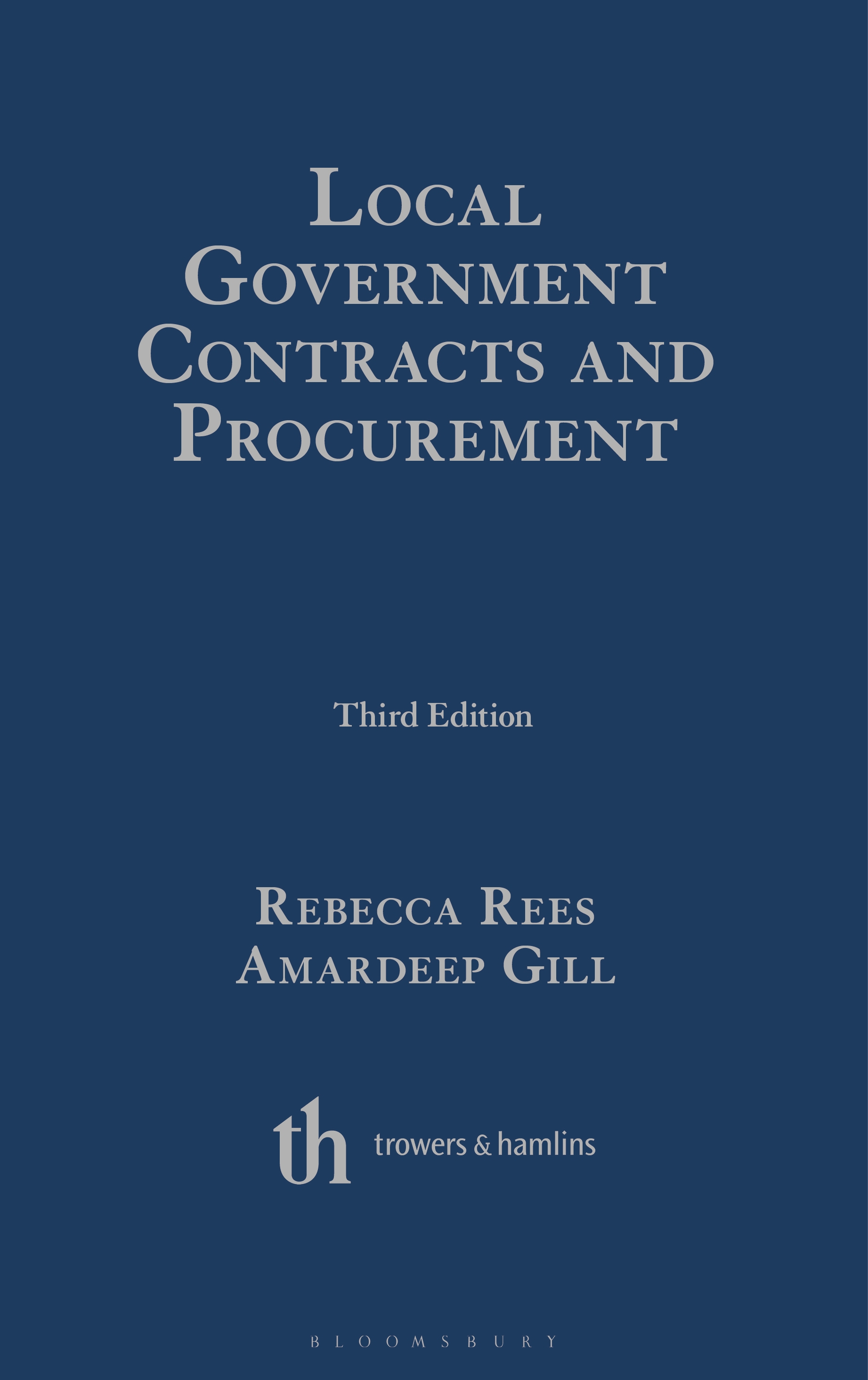
Rebecca Rees and Amardeep Gill are the authors of the third edition of Local Government Contracts and Procurement.
This will be included in our Local Government Law online service.
What has been the biggest change to this area since the last edition published in 2007?
Twenty years is a significant time span and across that time-scale local government procurement and contract management has transformed almost beyond recognition. The seismic shift represented by "Brexit" created the opportunity to replace the old EU-derived rulebook with a UK-centric approach. The Procurement Act 2023, in force from February 2025, is the most significant overhaul of UK public procurement law in a generation, replacing decades of EU-influenced procedure with a streamlined, flexible domestic regime built specifically for the procurement needs and priorities of the UK.
But that is only part of the story. Local government itself looks very different. Devolution, elected mayors, strategic authorities, and ongoing structural reorganisation have reshaped who does what and how. Set all of the regulatory changes against the technology-race to AI and the challenges and opportunities for local authorities are significant: in 2007, digital procurement was barely a footnote. Today, councils are procuring AI systems, cloud infrastructure, and data platforms that sit at the very heart of public service delivery. The legal, commercial, and risk landscape has changed beyond recognition, which is precisely why this new edition is needed.
What’s new for the Third Edition?
This is not a light refresh. The third edition has been substantially rewritten "from the ground up" to give practitioners everything they need to navigate the new landscape with confidence.
The centrepiece is comprehensive coverage of the Procurement Act 2023 and the Procurement Regulations 2024, including the new procedures, the Central Digital Platform, the expanded transparency obligations, the debarment list, the National Procurement Policy Statement, and the new social value, SME, and sustainability requirements.
This edition also contains substantial new material on technology and digital services, examining the government's Digital, Data and Technology Playbook and whole-lifecycle procurement of digital projects. This includes practical guidance on cyber security, supplier lock-in, outcome-based specifications, and how to retain flexibility when technology moves fast. Questions of intellectual property and AI are among the themes that run through this material, reflecting the emerging issues that practitioners are increasingly encountering in this space.
There is also new material on local government reorganisation, a highly topical area as restructuring continues across England, covering the contractual mechanics of transferring functions, assets, and liabilities between authorities, and the practical steps needed to protect councils and communities through that process.
Are there any trends in this area that might impact local government contracts and procurement over the next few years?
The pace of change shows no sign of slowing. Authorities and their advisers will need to get to grips quickly with a regime that is genuinely new in its architecture and philosophy, not simply a repackaging of what came before. Local government reorganisation will continue to generate complex contractual questions for years to come. Who inherits which contracts, who needs to consent, what happens to staff, data, and digital systems: getting this right matters enormously for the communities that depend on those services continuing seamlessly.
And technology will only become more central. Authorities will need to develop genuine digital procurement expertise, with early market engagement, careful risk allocation, and contracts that protect their ability to change course as technology evolves. Those that invest in that capability now will be far better placed to serve their residents over the coming decade.
What’s one of the biggest challenges that those involved in advising on commercial contracts in local government face that is addressed in Local Government Contracts and Procurement?
It might sound unglamorous, but the answer is preparation, and it is something we are passionate about! Time and again, the costliest procurement failures and legal disputes trace back to insufficient groundwork before the process began: specifications that did not reflect what the market could deliver; frameworks with too little competition built in; major technology contracts with no exit strategy.
Good preparation, including genuine market engagement, honest delivery-model appraisal, and early thinking about TUPE, ICT, data, and expiry/transition, is not bureaucracy for its own sake. It is what turns a good idea into a contract that actually works, and it is what protects councils, their residents, and the public purse when things get difficult.
The book makes a practical, evidence-based case for investing properly in preparation and gives practitioners the tools and frameworks to do it well. In an era of financial pressure and heightened public scrutiny, that case has never been more important, and we hope this edition is timely and welcomed!