Q&A with Jonathan Taylor KC
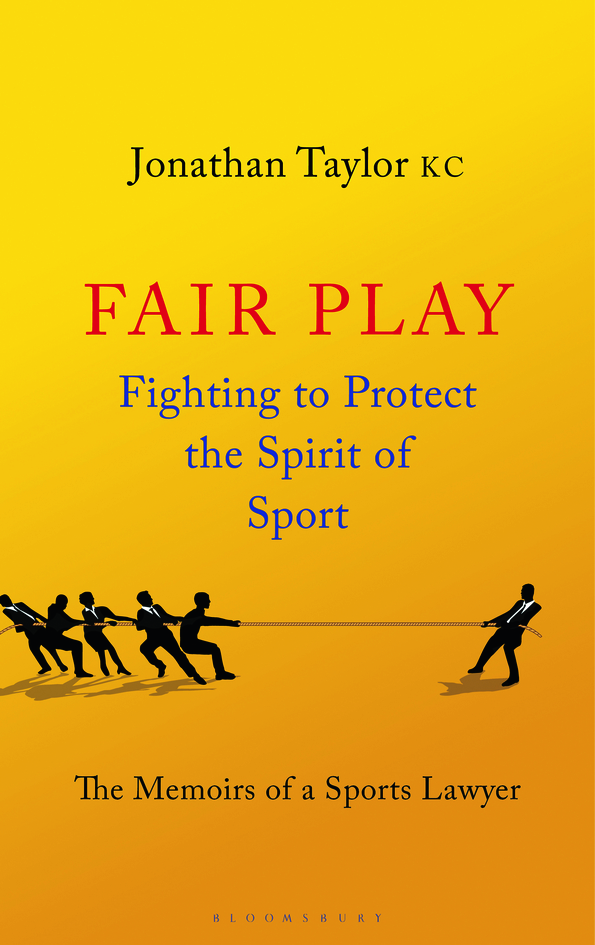
Jonathan Taylor KC is the author of Fair Play: Fighting to Protect the Spirit of Sport – The Memoirs of a Sports Lawyer.
This will be included in our Sport Law online service.
What first drew you to working in this area?
I started working in sports law when I moved back to the UK from the US in 1997. I was attracted by two things. First, rather than jump on someone else’s bandwagon by finding a big firm that did the same sort of big ticket commercial litigation I had been doing in New York, I wanted to help build a practice from the ground up. Second, sports law was just becoming recognised as a specialist area at the time, and people were starting to challenge some of the basic principles– who ‘owns’ sport? who has the right to regulate it? how should they do so? – so it was clear there would be lots of opportunities for specialist sports law litigators.
What would you say is the most influential case you have worked on that's discussed in Fair Play: Fighting to Protect the Spirit of Sport?
All of the key cases I discuss in the memoir have been about trying to ensure that it is natural talent perfected by hard work that decides the sporting contest, not any other factor (eg a bookie paying for a particular outcome, or a chemist with a performance-enhancing drug, or an equipment manufacturer with a new piece of kit) that talent and hard work cannot overcome. For example, in the Caster Semenya case, World Athletics defended the principle that eligibility for the female category has to be determined not by gender identity but by biological sex, because those who go through male puberty have a physiological advantage that those who go through female puberty cannot overcome, no matter how talented they may be or how hard they may work. Even more than the other cases featured in the memoir, this one was very high profile and carried very high stakes for sport and beyond.
What is the most challenging aspect of working in sport law?
It is easy for participants to complain that sports rules impinge upon their personal rights and freedoms. As just one example, elite athletes have to allow drug testers to come into the bathroom with them and watch them while they urinate into a sample collection bottle. The burden is always on the regulator to show that those rules are necessary to achieve an important and legitimate objective, go no further than is necessary to achieve that objective, and do not have adverse consequences that outweigh the benefits. That can take a lot of effort, and depending on the specific rules may also need significant scientific evidence in support, whether from chemists (drugs cases) or biologists (sex category cases) or physicists (equipment cases).
Are there any trends readers should be aware of that you think are most likely to shape the next few years of sport law disputes?
All sports want to attract outside investment, but they are realising they need to put in place ‘financial fair play’ regulations to ensure the outside investors’ demands for returns do not override the common interest in a strong and stable competitive environment where mere financial might is not outcome-determinative. Other than that, like every other industry and sector, we are all trying to work out what ramifications artificial intelligence will have for sport moving forward.